
So look forward to a month of cryptids, ghost's and monsters..
Also Happy early Halloween 🎃🦇👻🦇🎃
Have a nice day.
🦉.
Also Happy early Halloween 🎃🦇👻🦇🎃
Have a nice day.
🦉.
A short post today, more coming soon ! :)

The New Hampshire Wood Devil
The Woods Devil, or more likely Woods Devils, is a Bigfoot like cryptid that has been sighted in the woodlands and hills of Coos County, New Hampshire since at least the 1930s.
They may be a subspecies of Bigfoot.or they may be a separate species all together.

According to eye witness accounts it resembles a skinny Sasquatch-like creatures standing as tall as around 7-9 feet and has shaggy tan-gray hair.

One unusual trait, slightly similar to behavior of the Hidebehind, or even the Whirling Whimpus, is that this cryptid uses the trees to hide.
It's said that these creatures will hide behind a tree when a human is coming, and stay behind that tree until they leave. If there is no cover to hide in, the Woods Devil will stand perfectly still.

Woodsmen, hikers, and others have described hearing screams of these creatures echoing the hollows of Coos County.
Tales of the Woods Devils were told old lumberjack and can be found is the tales of fearsome critters.

Just a quick update, I have a few post's finished and pre-scheduled for every week of October. May add another one later this month not sure, but Spooky month will have plenty of updates 🎃🦇👻🦇🎃

Numa-Gozen Lake monster of the Fukushima Prefecture
According to myth, the Numa-Gozen lives beneath the waves of Lake Numazawa of Fukushima prefecture.
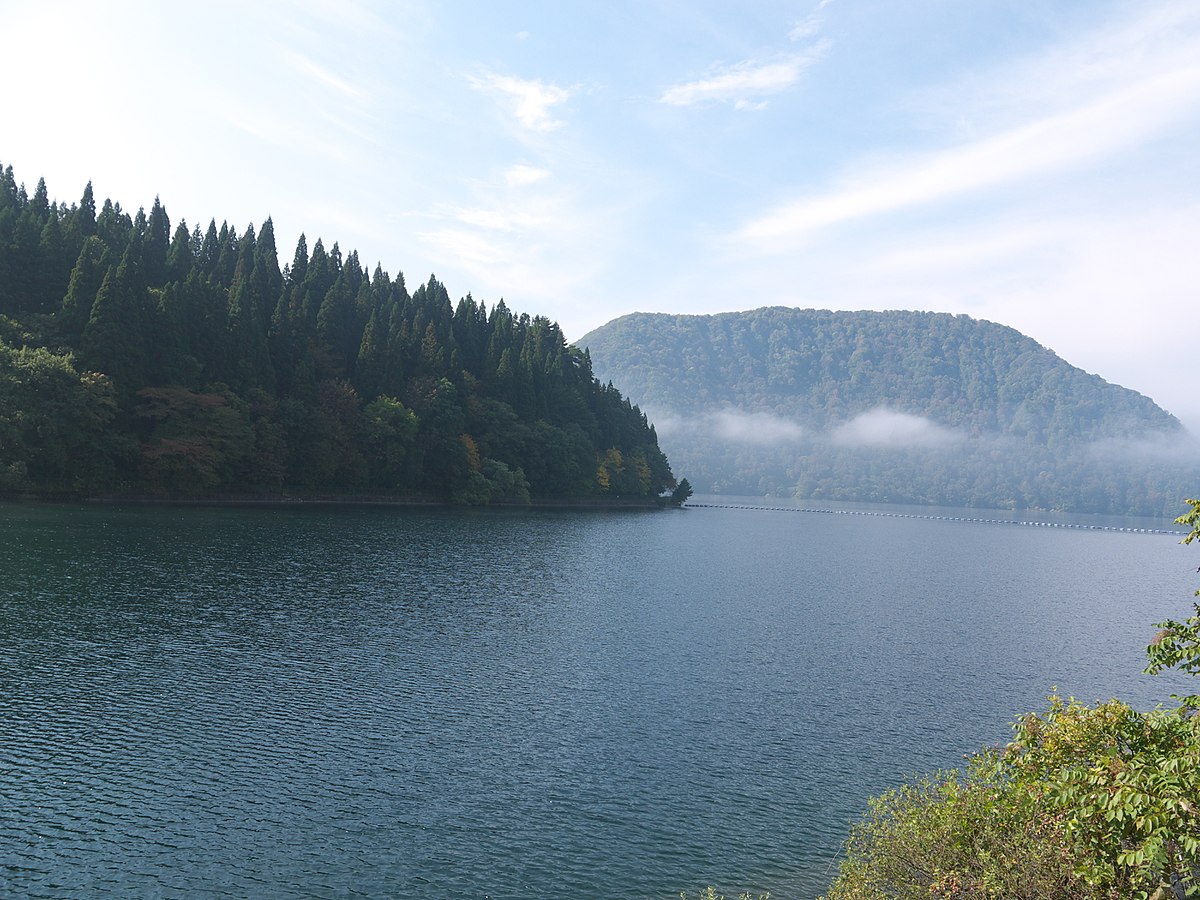
Eye witnesses accounts claim the Numa-Gozen is a big snake living in the Lake, and can turn into a young girl. In swamp areas, she lures unsuspecting farmers close to the water then drags them in.

Legend say's, she has six meter-long hair, and can create a storm she also has deadly venom within her body.
She was very violent and hostile towards humans.
She was thought to be slain during the Kamakura Period, but several later sightings would indicate she survived.
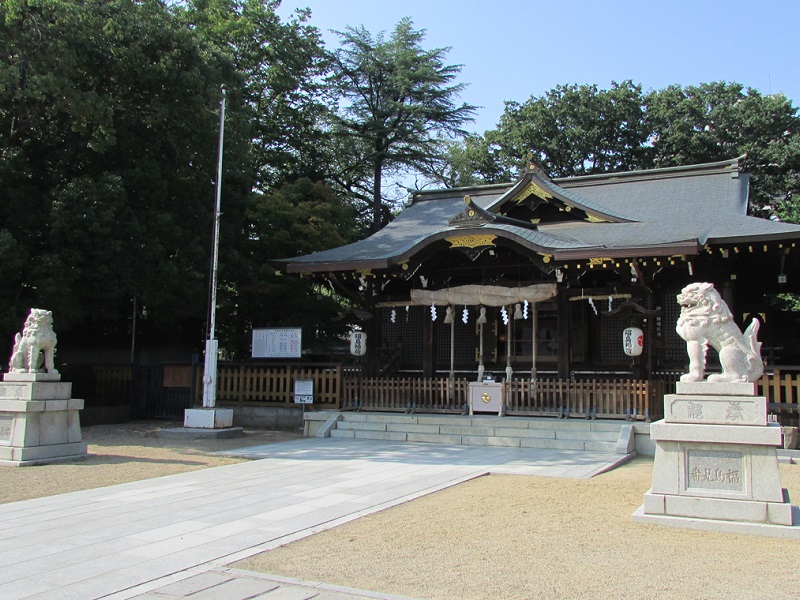
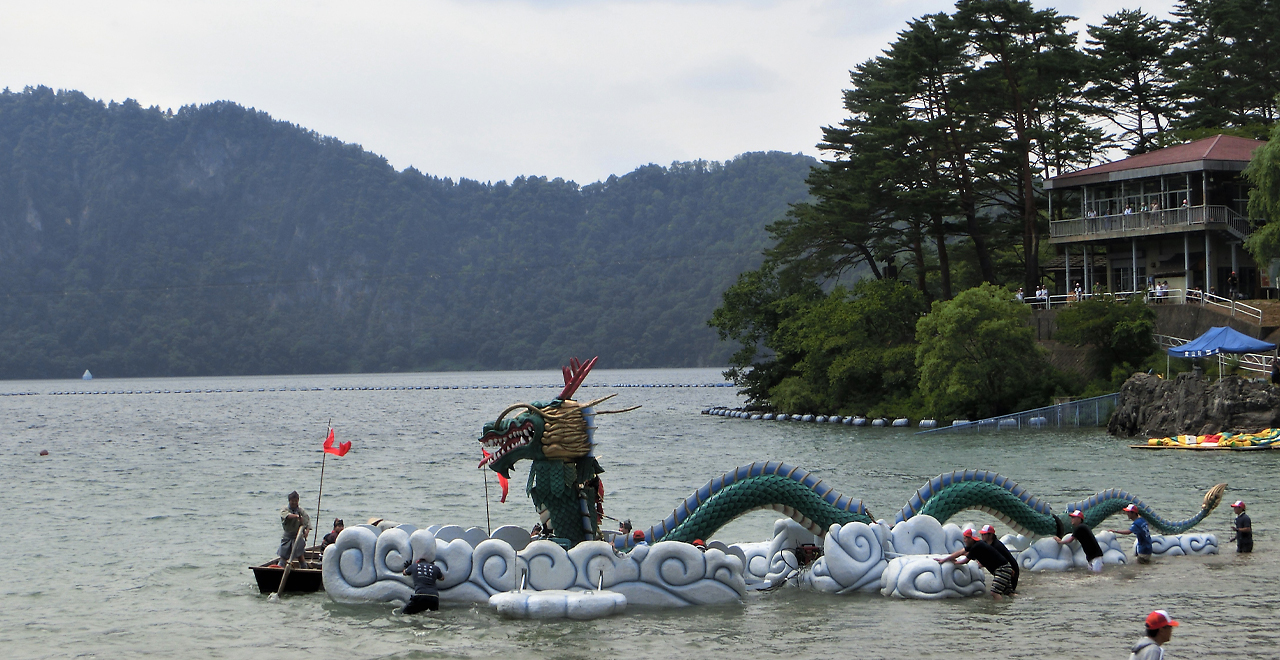
There is a Numa-Gozen Shrine nearby the lake and a festival depicting the slain of the serpentine yōkai has been held annually on the first Sunday of August.

Hello Everyone, No new post today ...
First of all thank you too everyone that stops by and hopefully enjoys reading my posts.
New updates will resume in October 🎃
Thank you for all the views and social media shares i appreciate it.
Hope you all have a great summer and the rest of 2023
🦇🦉🦇
M.

kijimunā from Interviews with Monster Girls,
Kijimunā
or
Kijimuuna
The name comes from an old Okinawan village, Kijimuka
Another names is sēma, bunagaya

The southern island chain of Okinawa is home to yōkai that can not found anywhere else in Japan.

However, the thing they hate above all else is the octopus. They avoid octopuses at all costs, despising them and fearing them at the same time.

Kijimunā often help fishermen catch fish, or aid humans in other ways in return for a cooked meal.
When they form friendships with humans,
it can last for a lifetime. Kijimunā will often return to their human friends many times, even spending holidays with their adopted family.
Unprovoked attacks on humans are rare, but Cutting down the banyan tree they live is a sure way to earn their wrath.

Kijimunā once wronged have been known to murder livestock, sabotage boats so they sink while their owners are far out at sea, or even magically trap people in
hollow trees from which they cannot escape.
Sometimes they press down on peoples’ chests while they sleep, or snuff out lights during the night. Once angered, a kijimunā can never be assuaged.
The hold a lifelong grudge, so Its best to stay on their good side.

The Iso onna is a dangerous vampire like yokai from Kyushu and Western Japan they feed on fisherman and travelers.
They are closely related to nure onna, despite having no serpent like features at all. Iso onna wander rocky beaches, hunting for prey.
They are occasionally encountered far out at sea, but they otherwise act the same as they do on land, capturing their human prey and draining their victims’ blood using their long hair.
Iso onna are most commonly encountered during the holiday seasons of Obon and New Years Eve, when the border between the realm of the living and the realm of the dead can be more easily crossed.
They occasionally cooperate with ushi oni to catch their prey the same as nure onna.
When she appears on the beach or shore, she looks like beautiful young women, staring far out to sea.
When somebody approaches and tries speak to her, she will turn around and let out an ear-piercing shriek, which stuns their victim. Then attacks with her long hair and drag her prey into the sea, where she drains her victim’s blood with her hair.
On rocky coasts without sandy beaches, iso onna appear sitting on the cliffs and calling out to passersby in an eerie voice. Their victims are mesmerized into walking straight towards them, ignoring the dangers posed by the rocky cliffs. They walk off the cliffs and fall to their deaths, leaving the iso onna free to feed on their bodies.
Individual accounts of iso onna vary from one telling to the next when it comes to her appearance.
In most cases, they appear as beautiful women who have just come out of the water, dripping wet. Their hair is long and matted, reaching almost all the way down to the sand.
Their eyes are heavy with sultry, sexual energy, and their wet clothes stick, nearly transparent, to their skin. From the waist up, they appear like ordinary human women, albeit soaking wet, while from the waist down, they are slightly blurry and transparent, hinting at their spectral nature. In some regions, iso onna are said to have snake like bodies similar to nure onna, while in other regions they are said to be large enough to crush ships out at sea, like umi-bōzu.
They also have the ability to disguise themselves perfectly as large beach rocks when they don’t want to be seen.

The Nure Onago
濡女子
ぬれおなご
wet girl // soaked woman .. or nure hanayome wet bride.
The Nure onago look like a regular young woman with wet hair.
They are most often encountered on roads near swamps, rivers, and the coasts, or during nights with heavy rain fall.
As the name implies, they are soaked with water from head to toe. Often, nure onago are covered with dead leaves and things stuck to their dripping bodies. They wander arond soaking wet and dripping;
Travelers along the coasts and rivers of the islands of Shikoku and Kyūshū will occasionally encounter young girls, lost and soaked to the bone. Most people who see them would feel the need to rush over to help the poor girls.
But once a human gets close enough to a nure onago, she looks up into their eyes and smiles. If the smile is returned, she will follow the helpful stranger everywhere, sticking by him forever.
Although she doesn't actually harm the individual, her constant presence is often enough to ruin the rest of a person’s life because the nure onago continually drip water and stink of mildew and swamp water. Not someone you want following you home or to work.
Ignoring a nure onago and refusing to return her smile is the only way to avoid this yōkai. Unfortunately, by the time her true nature is discovered it's usually too late.
It's a common belief that Nure onago are born from the strong feelings of loss and sadness shared by widows of drowning victims—particular widows of sailors lost at sea. These feelings build up and materialize into a nure onago, whose desire for attention is the amplified desire of heartbroken widows to see their husbands again.
The Nure onago behavior is somewhat similar to the hari onago, though in a far less violent form.
The two are sometimes grouped together as waraionago, smiling girls. Both are also found on the island of Shikoku, suggesting a possible connection between them. They should not, however, be confused with the similarly named nure onna or iso onna, two far more dangerous yōkai.
